Garage Floors
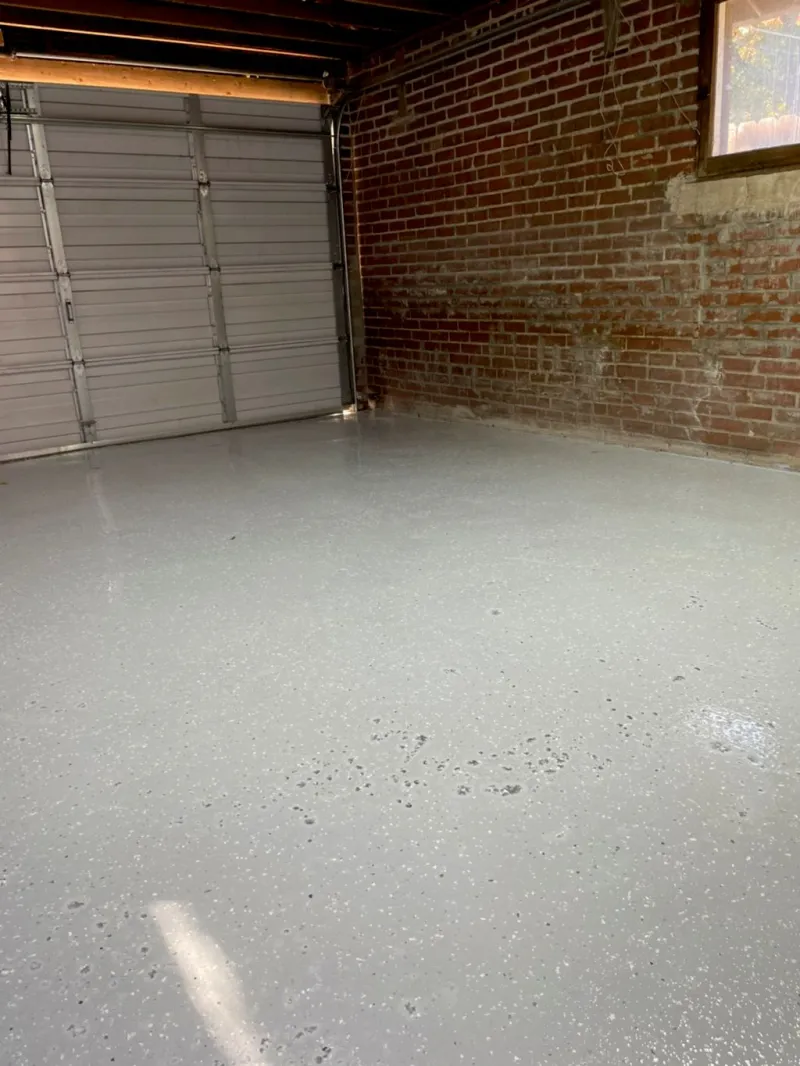
A ground, patched and sealed garage floor that shrugs off ice melt, hot tires and oil — and wipes clean with a shop broom.
Learn More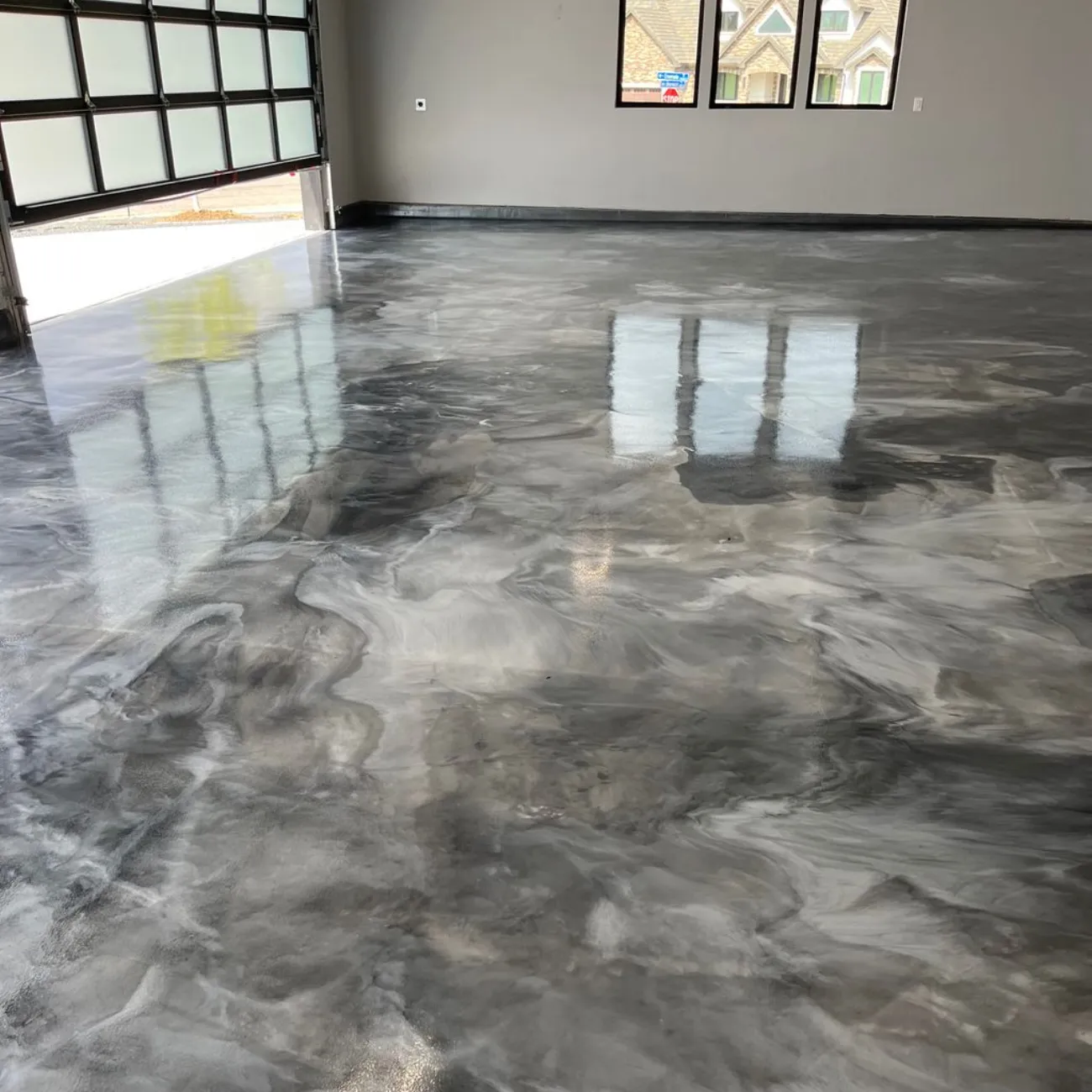
Epoxy flooring turns a porous, dusting, stain-catching slab into a sealed surface you can actually clean. It is the workhorse of the coatings world — a two-part resin that builds thickness, bonds hard, fills minor imperfections and takes color, flake or a clear top coat over the top of it.
We install epoxy floors around Denver, Aurora, Lakewood, Arvada and across the metro in garages, basements, shops, warehouses and commercial spaces. Phil has been installing industrial flooring since 1992, which mostly means knowing which system belongs in which room — a busy warehouse floor, a finished basement and a two-car garage are three different specifications, not one product in three colors.
Tell us about your project — we’ll get right back to you.
Epoxy builds. Unlike a thin sealer it goes on with real film thickness, so it levels minor surface imperfections, bridges the small stuff, and creates a genuinely non-porous layer. That is why it is the base of nearly every system we install — it does the structural work of the coating.
It also takes decoration well. A pigmented epoxy base is what flake broadcast gets thrown into, and it is the carrier for the pigments in a metallic floor. What goes on top is usually a polyaspartic clear for the UV and abrasion resistance.
Concrete moves water. A slab on grade with no vapor barrier under it, or a below-grade basement floor, can push moisture vapor up through the concrete continuously. Put a non-breathable coating over that and the vapor pressure builds underneath until the coating blisters and delaminates. It is a leading cause of basement floor failures, and it has nothing to do with how good the coating was.
The fix is knowing before you coat. Where the slab or the situation raises the question, we test — and if it reads high, we use a moisture-tolerant primer or vapor-barrier system rather than pretending the problem is not there. That call gets made on the walk-through, not after your floor bubbles.
The honest breakdown of an epoxy install is that the resin is the easy part. Grinding, vacuuming, chasing cracks, filling spalls, treating oil contamination and getting the profile right is where the labor and the outcome live. Two floors can get the identical product and last completely different lengths of time based only on what happened before the first coat.
We do not acid etch and we do not coat over contamination. If a slab is not a good candidate for a coating, we would rather tell you on the walk-through than take the job and watch it fail.
Free, no-obligation estimates across Denver and the surrounding metro.
(720) 691-6294From the first walk of the floor to the final one, here is exactly how it goes.
We come out, look at the actual slab and talk about how the space gets used. Cracks, spalling, oil, old coatings and moisture all get assessed here — because that is what decides the system and the price.
You get the price, the prep included, the system going down, and the walk-on and park-on dates in writing. It is free, and the number holds unless the scope changes.
Diamond grinding — never acid etching — then vacuum, chase and fill the cracks, patch the spalls and treat any contamination. This is most of the job and it is why the floor lasts.
Primer, base, flake or pigment, then the clear top coat. We tell you exactly when you can walk on it and when you can park on it, and the job is done when you have walked it with us.
Common questions about epoxy flooring across Denver and the surrounding metro. Don't see yours? Give us a call — we're happy to help.
A ground, patched and sealed garage floor that shrugs off ice melt, hot tires and oil — and wipes clean with a shop broom.
Learn More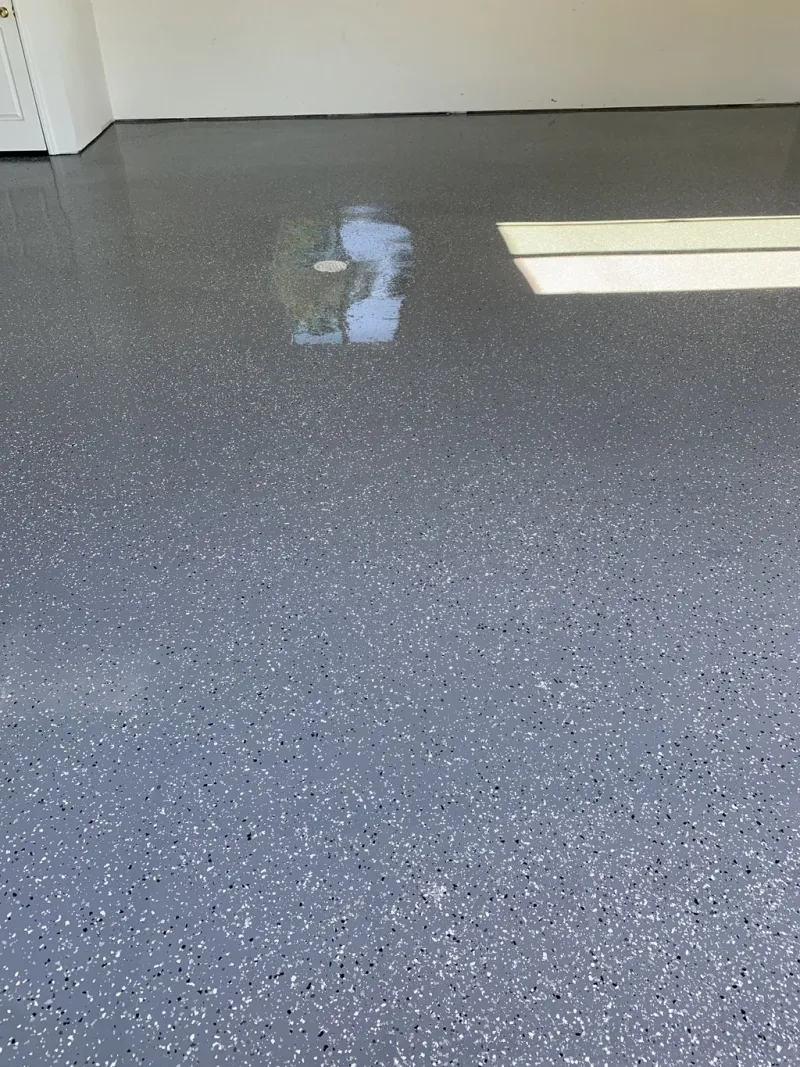
A UV-stable coating that cures in hours instead of days, goes down in cold weather, and does not amber in the sun like epoxy.
Learn More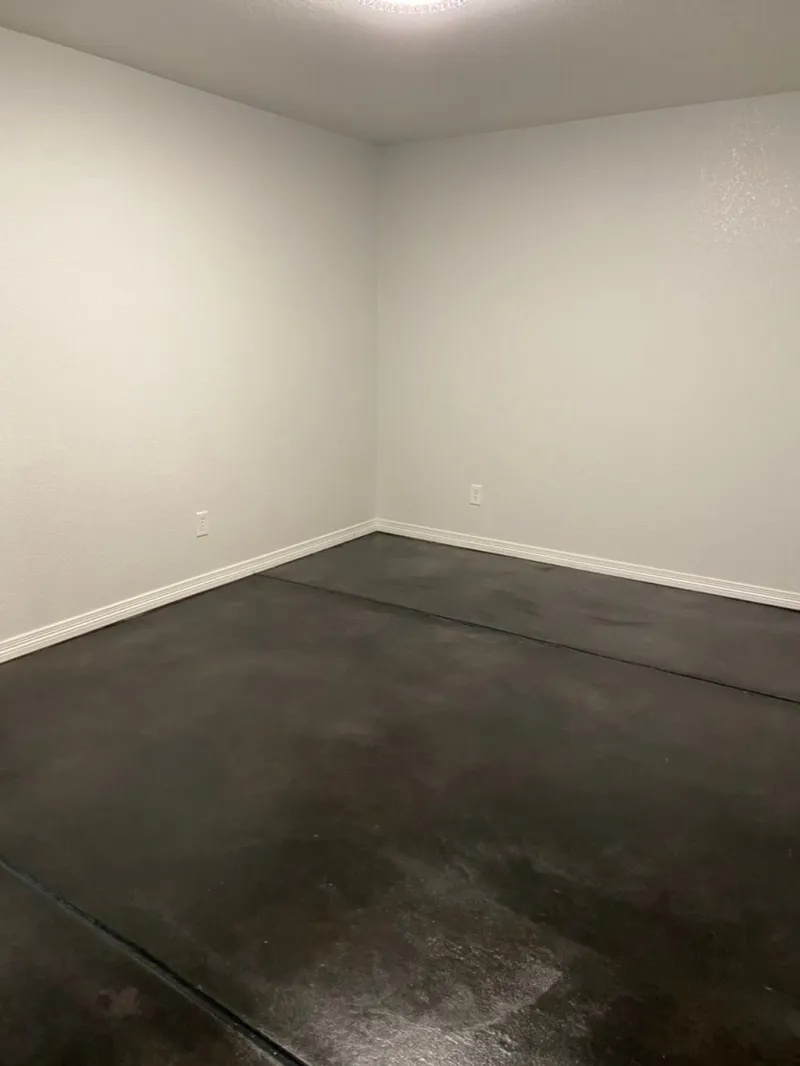
A sealed, warm-looking basement floor that stops concrete dust, cleans easily and does not turn into a problem when water shows up.
Learn More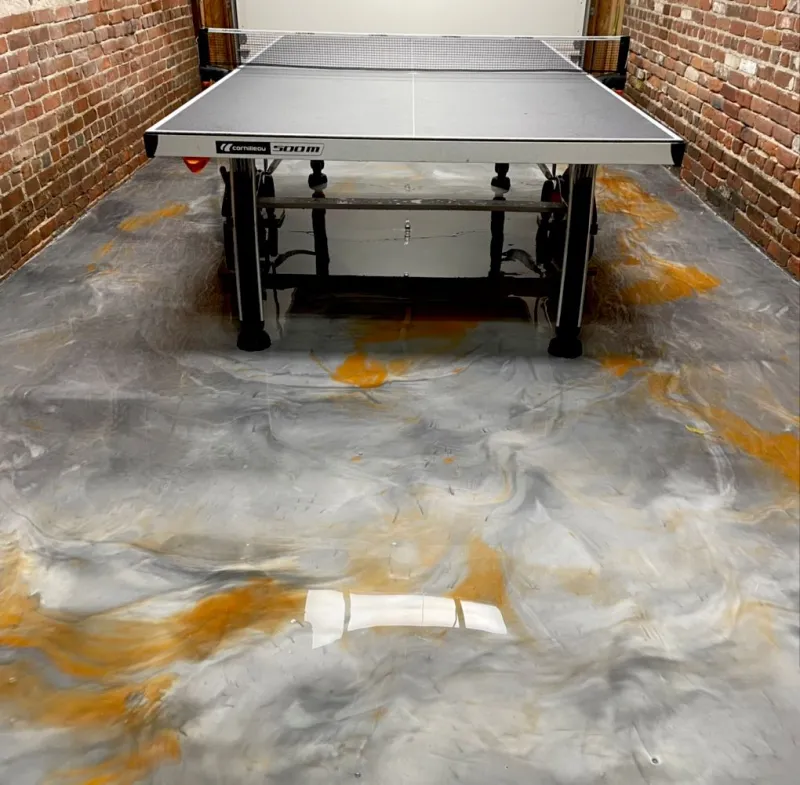
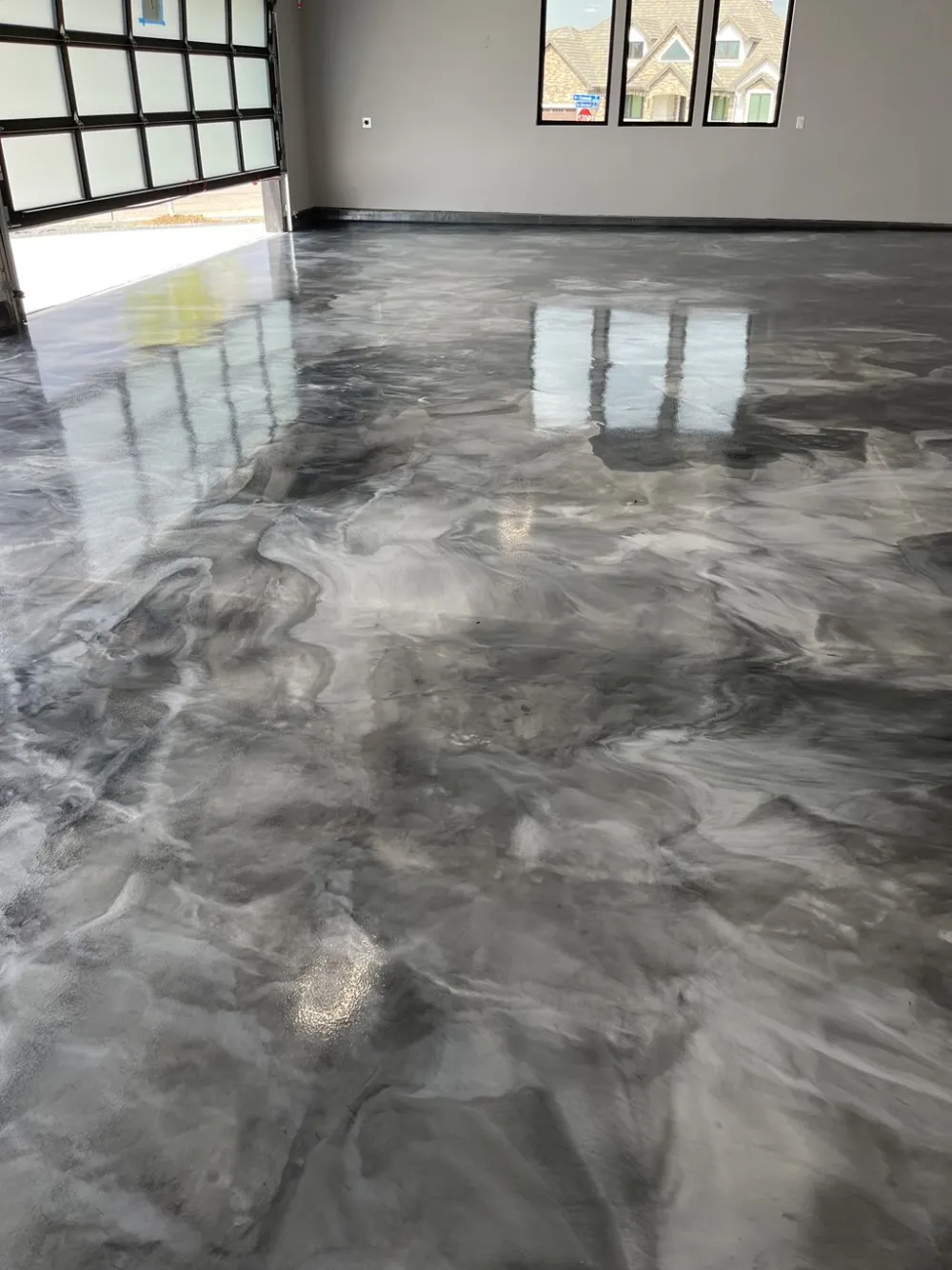
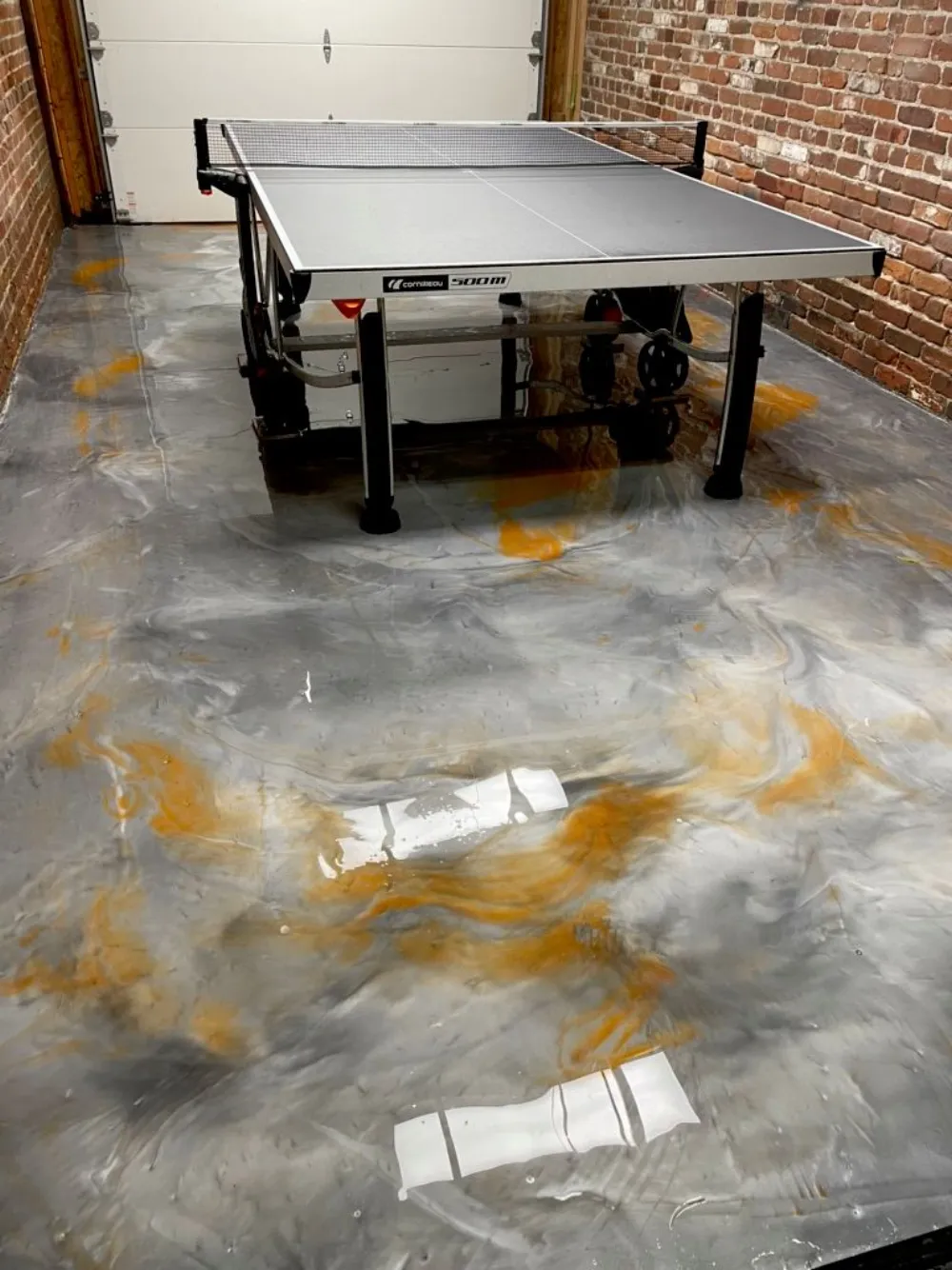
Marbled metallic finishes with real depth — poured, worked by hand and sealed. The floor people actually comment on.
Learn More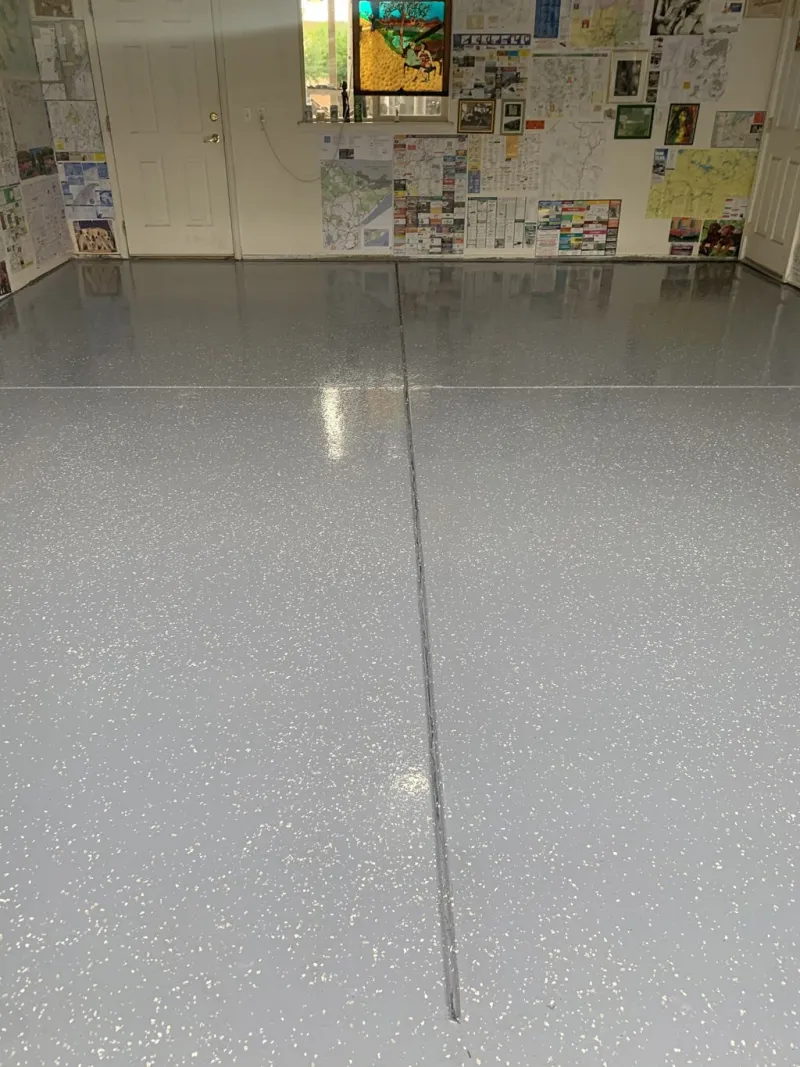
Vinyl flake broadcast into the base coat, then sealed — texture underfoot, hides dirt and wear, and it is the best value in coatings.
Learn More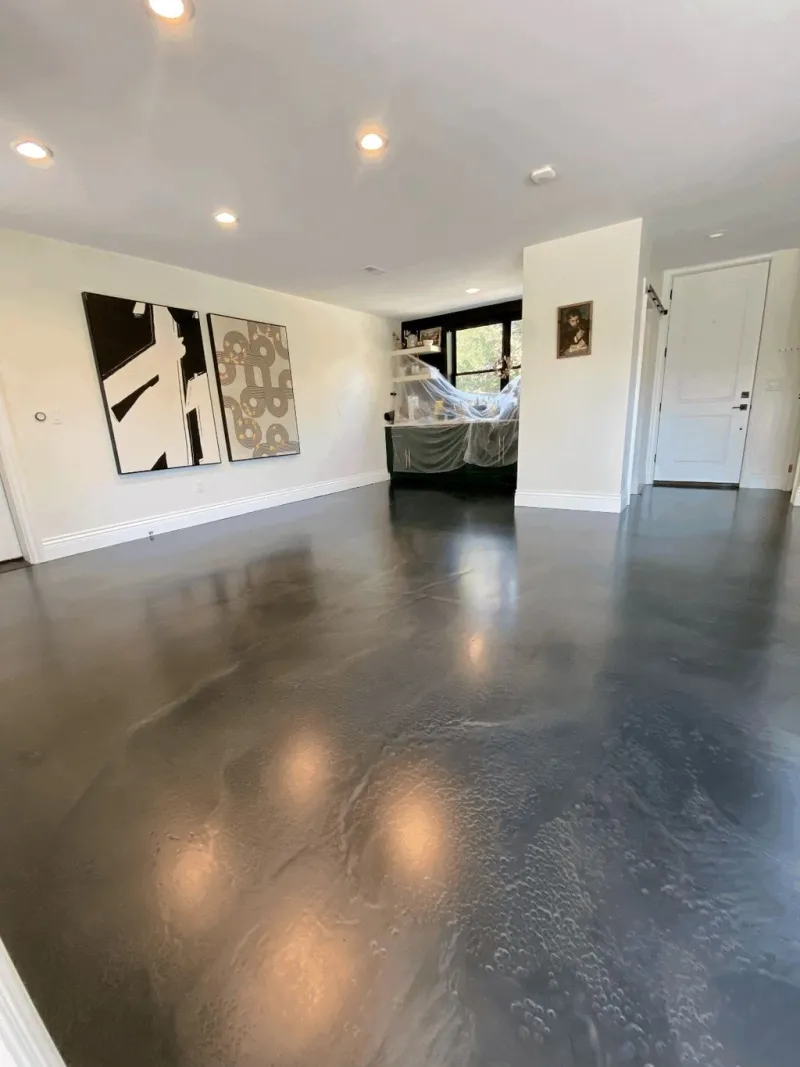
Acid or dye stain worked into ground concrete, then polished and sealed — mottled, natural depth instead of a painted-on look.
Learn More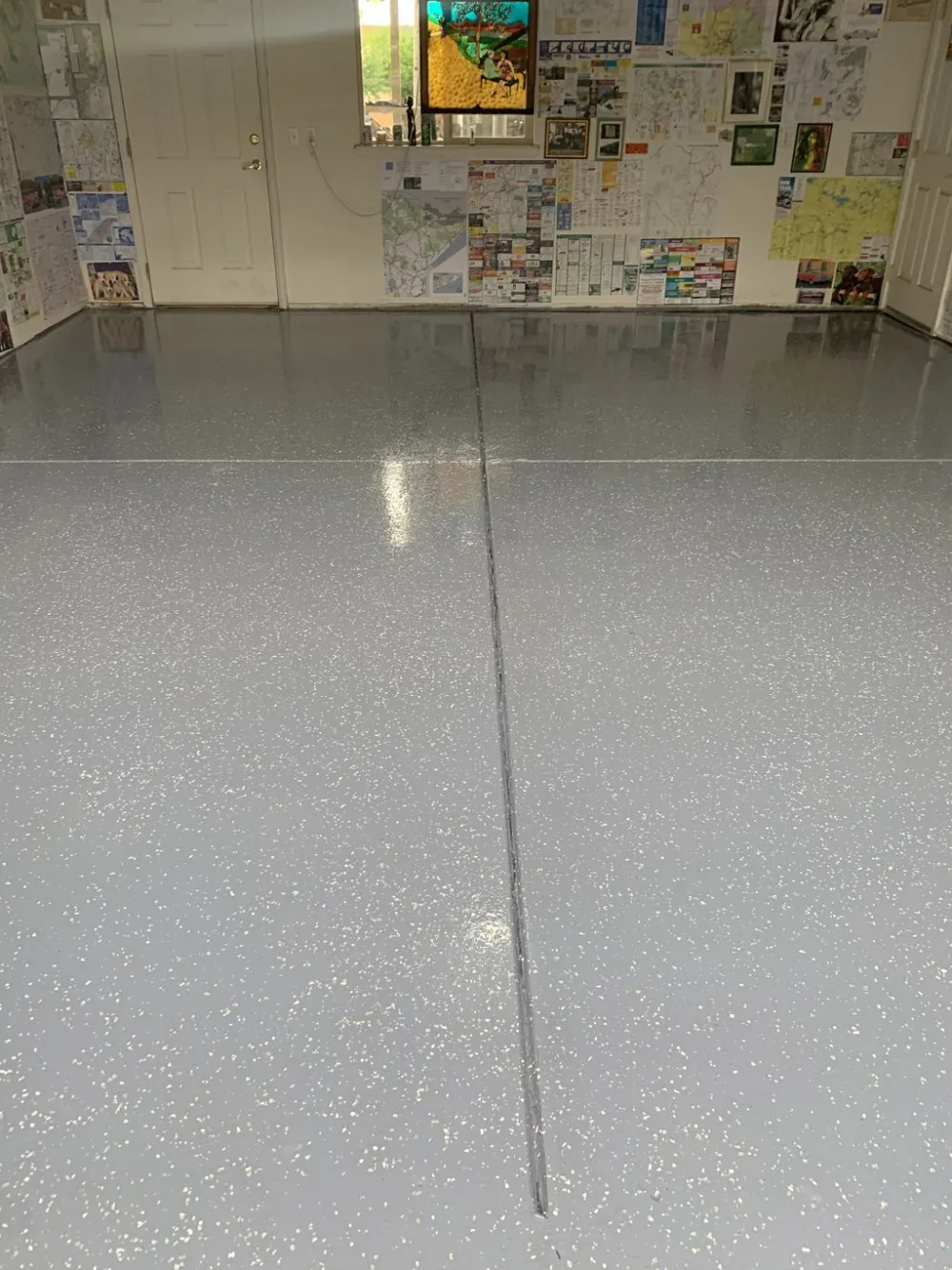
Epoxy floors peel for four reasons: weak prep, slab moisture, short cure and thin DIY kits. What each failure looks like, and what a pro does instead.
Read more →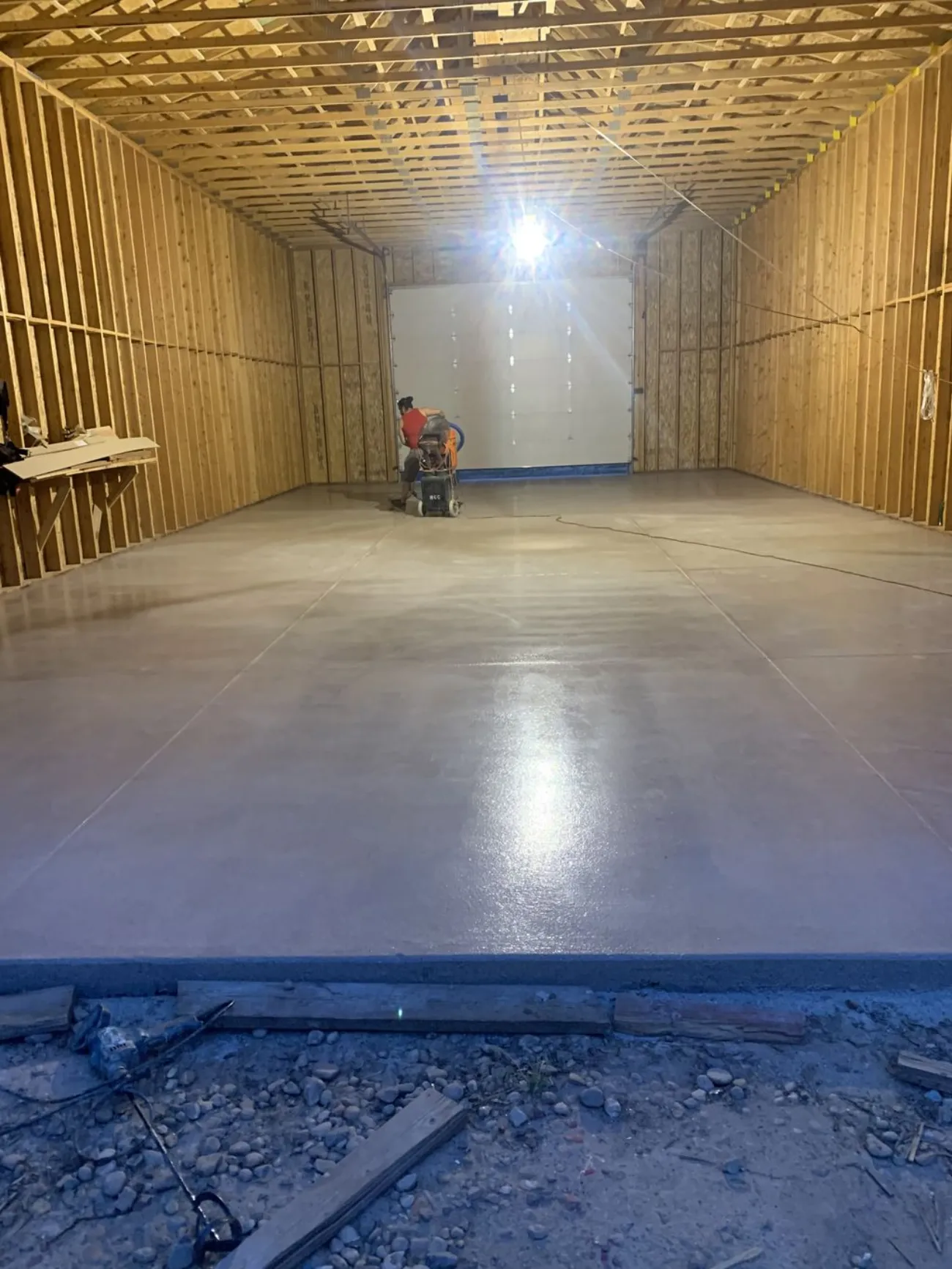
Epoxy, polyaspartic, urethane cement or polished concrete? How to pick a commercial floor coating in Denver by traffic, chemicals, washdown and downtime.
Read more →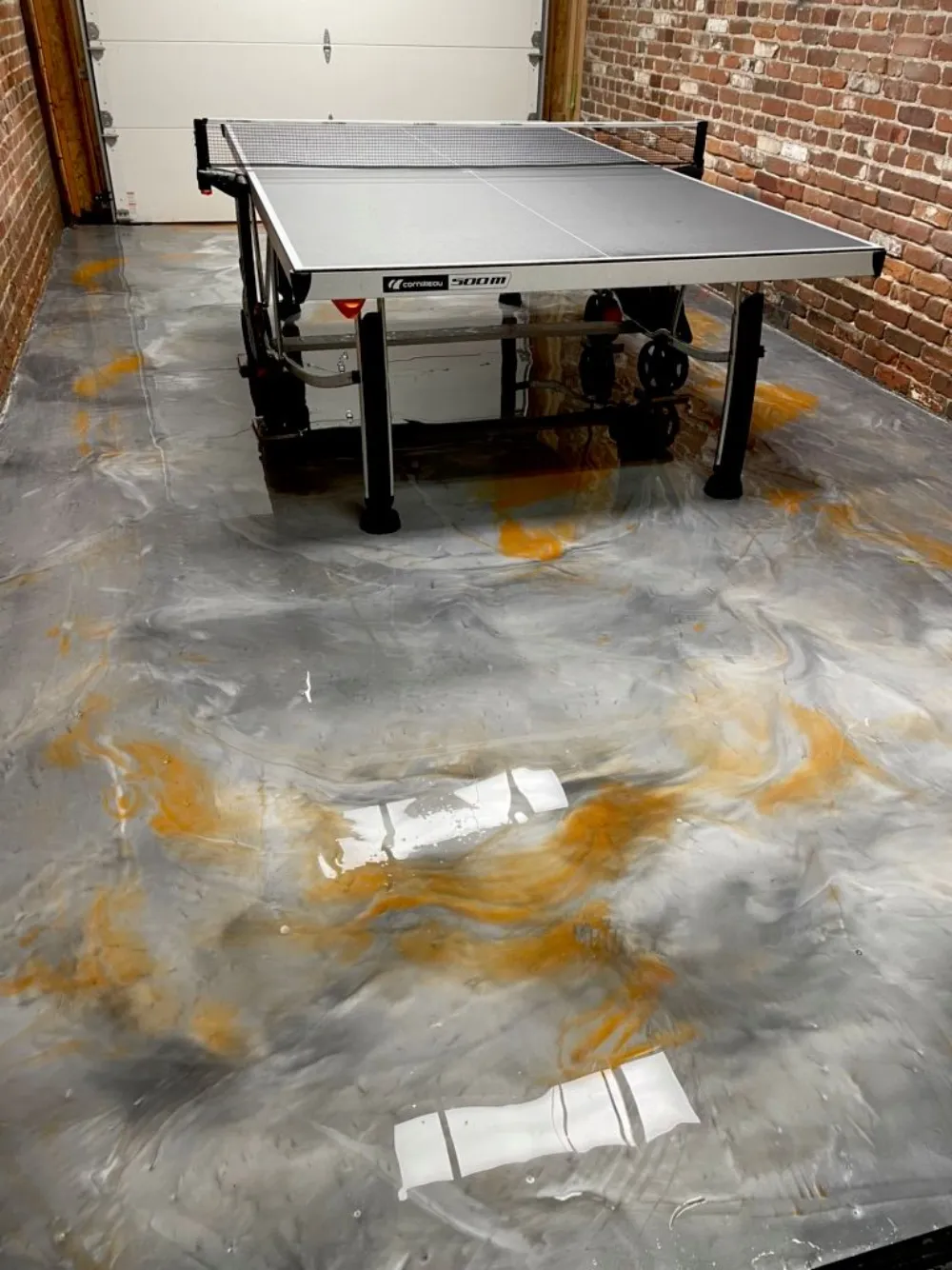
What a metallic epoxy floor costs in Denver: published per square foot ranges, what a two-car garage runs, and the prep work that moves the number.
Read more →Phil has been installing industrial flooring since 1992, and Denver Custom Coatings has 18 years behind it. The person who quotes your floor is the person who grinds and coats it.
Diamond grinding opens the concrete so the primer keys into the slab. Acid etching is faster and cheaper, and it is why most failed floors failed. Prep is where the job is won.
We walk the floor, price it in writing, and flag honest problems — moisture, contamination, a slab that needs real repair — before you commit. The number holds unless the scope changes.
Freeze-thaw, magnesium chloride off the highway and hot tires at altitude are hard on a slab. We specify systems that handle all three, including polyaspartic when the garage runs cold.
Bare garage slab, a basement you are finishing, a peeling floor that needs redoing, or a shop floor that has taken all it can? Call or send the form and we will walk the floor with you and hand you a free written quote.
Tell us about your project — we’ll get right back to you.